
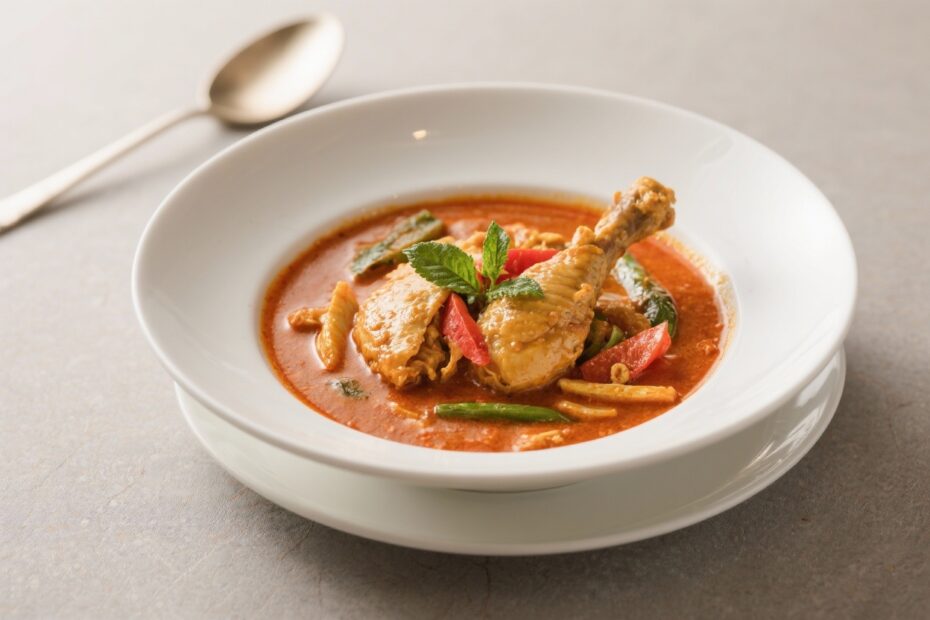
If you love bold flavor with minimal fuss, Thai red curry with chicken is a dish you’ll make again and again. It’s rich, aromatic, and surprisingly quick to pull together on a busy evening. The creamy coconut base softens the heat of red curry paste, while fresh herbs and lime add brightness.
Serve it over steaming jasmine rice, and you’ve got comfort in a bowl. It’s satisfying, colorful, and endlessly adaptable to whatever veggies you have on hand.
What Makes This Recipe So Good
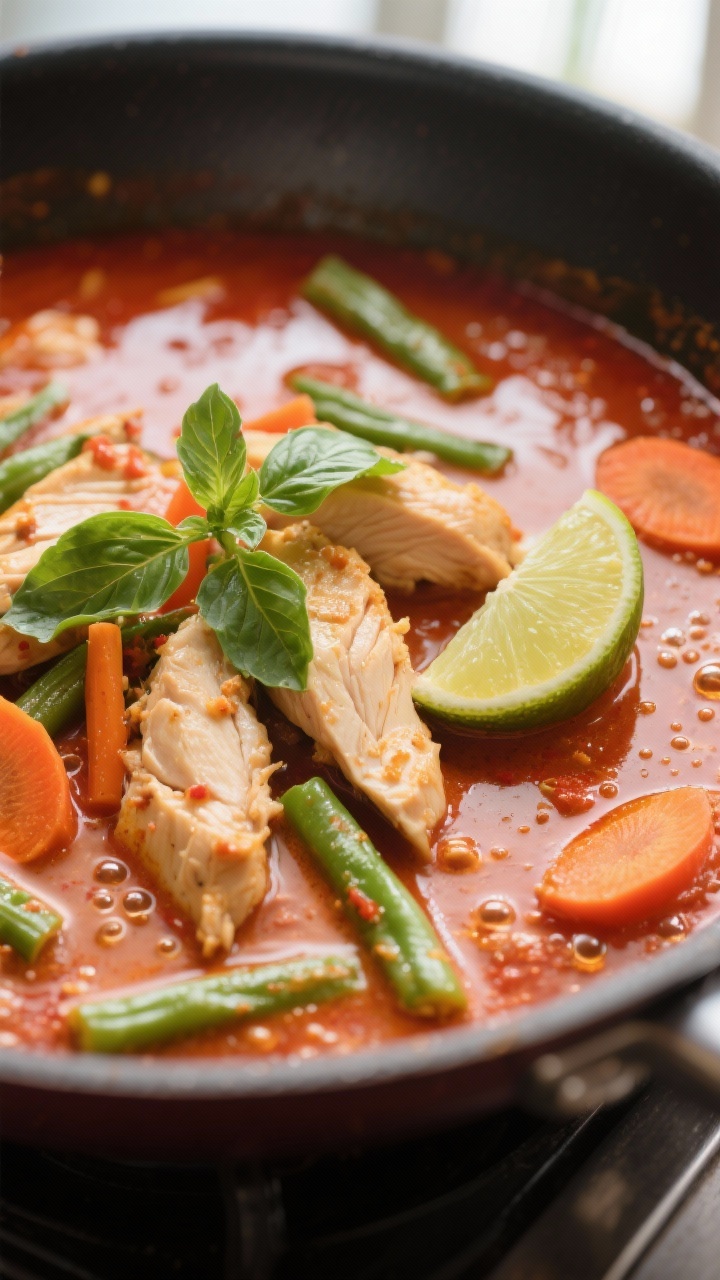
This version keeps the process simple while staying true to the essential flavors: chili heat, coconut richness, and a sweet-salty balance. You don’t need special techniques—just a big pan, good curry paste, and a few fresh ingredients.
The sauce simmers into a silky, restaurant-quality finish in under 30 minutes. It’s also flexible, so you can use different vegetables, adjust the spice level, and even swap the protein. Best of all, it reheats beautifully, making leftovers a joy, not a chore.
Shopping List
- Chicken: 1.5 pounds boneless, skinless chicken thighs (or breasts), thinly sliced
- Red curry paste: 2–3 tablespoons, depending on heat preference
- Coconut milk: 2 cans (13.5 oz each), full-fat for best texture
- Vegetables: 1 red bell pepper (sliced), 1 small zucchini (sliced), 1 cup sliced carrots, 1 small onion (sliced), 1 cup green beans (trimmed)
- Aromatics: 3 cloves garlic (minced), 1-inch piece ginger (grated)
- Broth or water: 1/2 to 3/4 cup (chicken or vegetable)
- Fish sauce: 1–2 tablespoons
- Brown sugar or palm sugar: 1–2 teaspoons
- Lime: 1 lime (zest optional, juice for finishing)
- Thai basil or cilantro: Small handful, roughly torn
- Oil: 1–2 tablespoons neutral oil (canola, avocado, or coconut oil)
- Optional add-ins: Kaffir lime leaves, bamboo shoots, baby corn, mushrooms, chili flakes for extra heat
- To serve: Jasmine rice or rice noodles
Step-by-Step Instructions
- Prep the ingredients. Slice the chicken thinly so it cooks quickly and stays tender.
Cut the vegetables into bite-size pieces. Mince the garlic and grate the ginger.
- Warm the pan and bloom the curry paste. Heat oil in a large skillet or Dutch oven over medium heat. Add the red curry paste and stir for 1–2 minutes until fragrant.
This step deepens the flavor.
- Add aromatics. Stir in garlic and ginger for 30 seconds. Keep the heat moderate so they don’t brown or turn bitter.
- Build the sauce. Pour in the coconut milk, stirring to dissolve the paste fully. Add 1/2 cup broth to loosen the sauce.
Bring to a gentle simmer.
- Season the base. Add 1 tablespoon fish sauce and 1 teaspoon sugar. Taste later and adjust, but this gives you a balanced starting point.
- Cook the chicken. Add the sliced chicken to the simmering sauce. Stir to separate the pieces.
Simmer gently for 6–8 minutes until just cooked through.
- Add vegetables that take longer. Stir in carrots and green beans first. Simmer 3–4 minutes.
- Add quick-cooking vegetables. Add bell pepper, zucchini, and onion. Simmer another 3–5 minutes, until tender-crisp.
You want vibrant color and a little bite left.
- Adjust consistency and seasoning. If the sauce is too thick, add a splash of broth. Taste and add more fish sauce for salt, more sugar for balance, or more curry paste for heat (mix paste with a little hot sauce to avoid clumps).
- Finish with freshness. Turn off the heat. Stir in lime juice and a handful of Thai basil or cilantro.
If using kaffir lime leaves, remove them before serving.
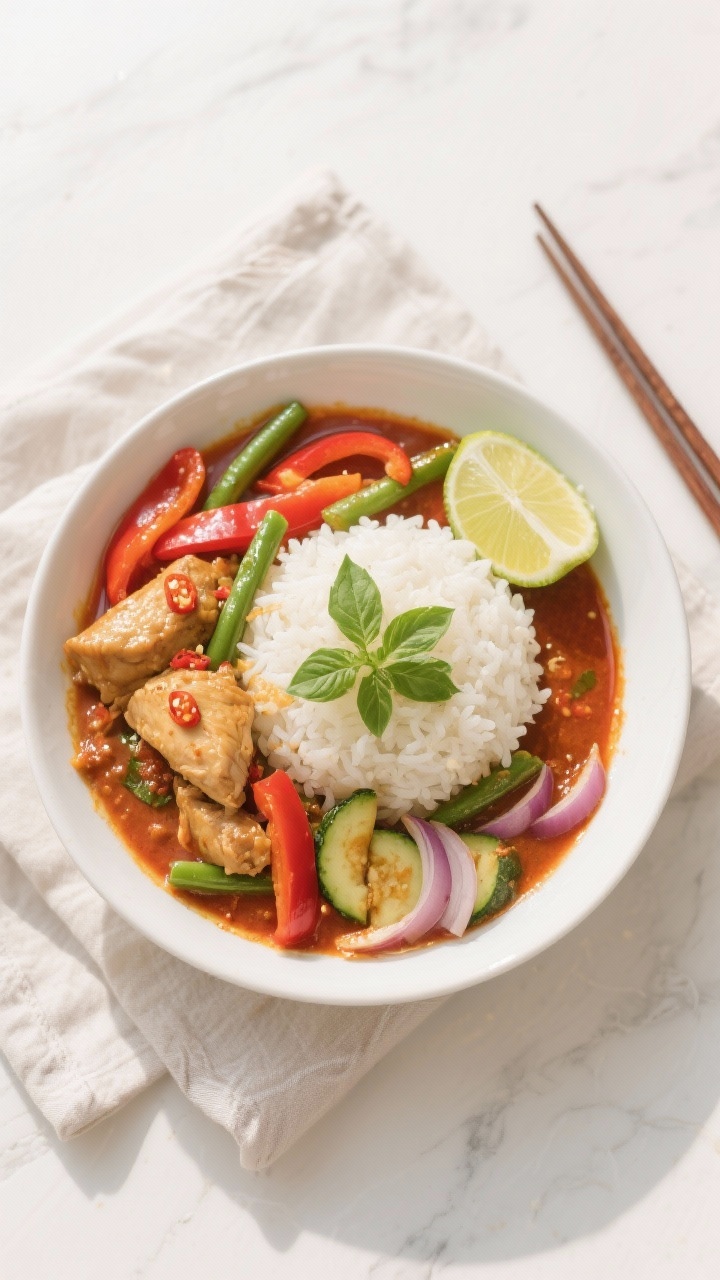
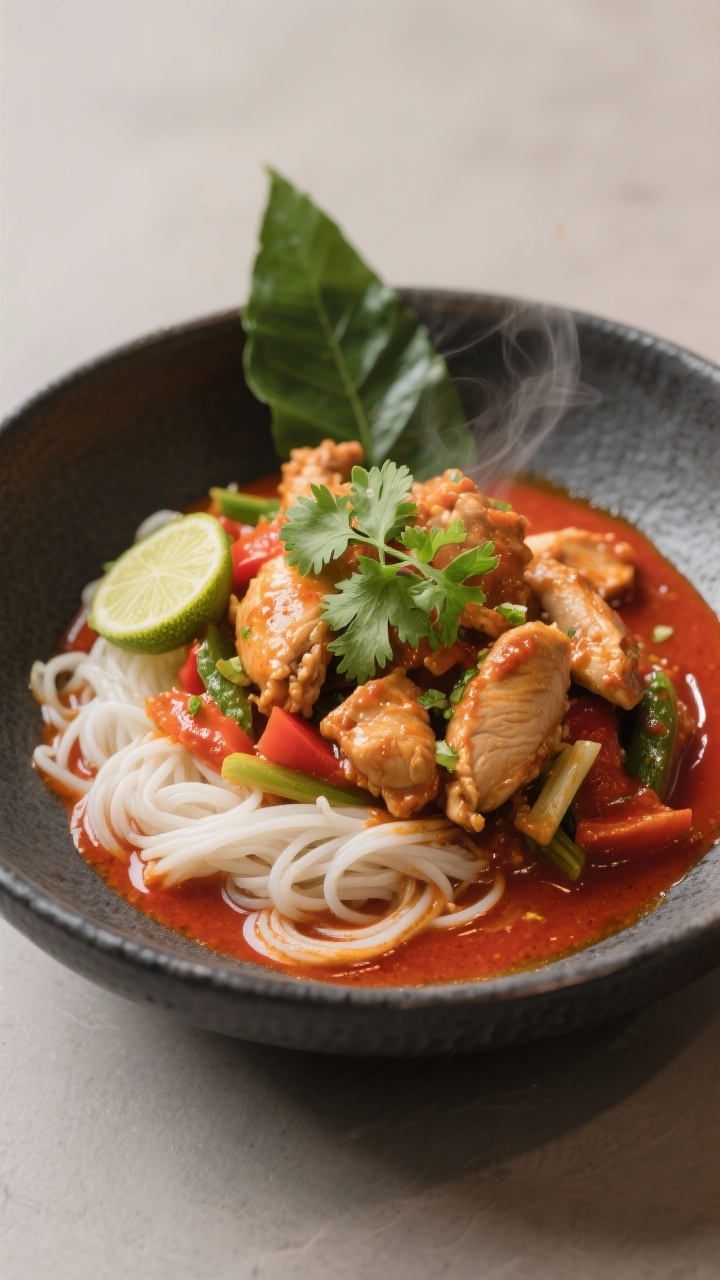
- Serve. Spoon over jasmine rice or nestle around rice noodles. Garnish with extra herbs and a wedge of lime.
How to Store
Cool the curry to room temperature, then transfer to an airtight container. It keeps in the fridge for 3–4 days.
For longer storage, freeze for up to 2 months. Thaw overnight in the fridge and reheat gently on the stove, adding a splash of water or coconut milk if the sauce thickens too much. Keep herbs and lime separate and add fresh when serving.
Health Benefits
- Protein-rich: Chicken provides lean protein that supports muscle repair and keeps you fuller longer.
- Good fats: Coconut milk contains medium-chain fats that add satiety and creaminess.
Use full-fat for texture, or light coconut milk if you prefer fewer calories.
- Veggie boost: Peppers, carrots, and green beans add fiber, vitamins A and C, and antioxidants. The variety helps with micronutrient coverage.
- Aromatics with perks: Garlic and ginger may support immune health and aid digestion.
- Balanced meal: Paired with rice, this dish offers a mix of carbs, protein, and fat for steady energy.
Pitfalls to Watch Out For
- Skipping the paste bloom: Adding curry paste straight to liquid mutes the flavor. Briefly sautéing it wakes everything up.
- Overcooking the chicken: Thin slices cook fast.
Keep the simmer gentle and pull from heat once it’s done to avoid dryness.
- Overloading the pan: Too many veggies at once can cool the sauce and lead to uneven cooking. Stagger the firmer vegetables first.
- Unbalanced seasoning: Thai flavors rely on a sweet-salty-acidic balance. Taste and adjust fish sauce, sugar, and lime at the end.
- Using low-quality paste: The curry paste is the backbone.
Choose a reputable brand for the best, most authentic flavor.
Recipe Variations
- Extra veg-forward: Add mushrooms, baby corn, snap peas, or bamboo shoots. Keep textures varied for interest.
- Dairy-free and gluten-free: The base is naturally dairy-free. Most red curry pastes are gluten-free, but double-check labels.
Use tamari if substituting soy sauce for fish sauce.
- Different proteins: Swap chicken for shrimp (add in the last 3–4 minutes), tofu (pan-fry cubes first for texture), pork tenderloin, or thinly sliced beef.
- Milder version: Use 1–2 tablespoons curry paste and add more coconut milk to soften heat. A bit of sugar can also round off sharp edges.
- Spicier take: Stir in fresh Thai chilies or a pinch of chili flakes. A spoon of chili oil at the end adds heat and gloss.
- Herb switch: If you can’t find Thai basil, use regular basil or cilantro.
Add fresh mint for a cool contrast.
- Low-carb serving: Serve with cauliflower rice or shirataki noodles instead of jasmine rice.
FAQ
What’s the difference between red and green curry?
Red curry is built on dried red chilies, giving it a slightly smoky warmth and a deep red color. Green curry uses fresh green chilies and tends to be brighter, herbal, and a bit sharper in heat. Both use coconut milk, but their flavor profiles are distinct.
Can I use light coconut milk?
Yes, but the sauce will be thinner and less silky.
If using light coconut milk, simmer a few extra minutes to reduce slightly, and consider adding a small splash of full-fat coconut cream at the end for body.
How do I make this vegetarian?
Use firm tofu or a plant-based chicken alternative, and swap fish sauce for soy sauce or tamari. A splash of mushroom soy or a bit of miso can add depth to replace the savory notes of fish sauce.
Why did my coconut milk split?
High heat or boiling can cause coconut milk to separate. Keep the curry at a gentle simmer and avoid rapid boiling.
If it splits slightly, whisk it and add a splash of coconut cream to bring it back together.
Which curry paste brand should I buy?
Look for brands with straightforward ingredients and plenty of aromatics like lemongrass, galangal, and kaffir lime. Thai brands from Asian markets often deliver the best flavor. The heat level can vary, so start with less and add more to taste.
Can I make it ahead?
Absolutely.
The flavors meld nicely overnight. Reheat on low and finish with fresh lime and herbs for brightness right before serving.
What rice pairs best?
Jasmine rice is classic because of its fragrance and soft texture. If you prefer something nuttier, try brown jasmine rice.
Rice noodles also work if you want a slurpable bowl.
Wrapping Up
Thai red curry with chicken is one of those reliable dishes that feels special without extra work. With a good curry paste and a can of coconut milk, you’re already most of the way there. Keep the heat gentle, taste as you go, and finish with fresh lime and herbs.
Serve it with fluffy rice, and enjoy a cozy, vibrant meal any night of the week.
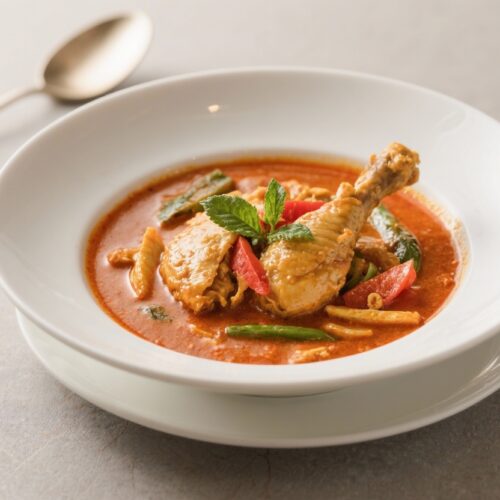
Thai Red Curry With Chicken - A Cozy, Flavor-Packed Weeknight Favorite
Ingredients
- Chicken: 1.5 pounds boneless, skinless chicken thighs (or breasts), thinly sliced
- Red curry paste: 2–3 tablespoons, depending on heat preference
- Coconut milk: 2 cans (13.5 oz each), full-fat for best texture
- Vegetables: 1 red bell pepper (sliced), 1 small zucchini (sliced), 1 cup sliced carrots, 1 small onion (sliced), 1 cup green beans (trimmed)
- Aromatics: 3 cloves garlic (minced), 1-inch piece ginger (grated)
- Broth or water: 1/2 to 3/4 cup (chicken or vegetable)
- Fish sauce: 1–2 tablespoons
- Brown sugar or palm sugar: 1–2 teaspoons
- Lime: 1 lime (zest optional, juice for finishing)
- Thai basil or cilantro: Small handful, roughly torn
- Oil: 1–2 tablespoons neutral oil (canola, avocado, or coconut oil)
- Optional add-ins: Kaffir lime leaves, bamboo shoots, baby corn, mushrooms, chili flakes for extra heat
- To serve: Jasmine rice or rice noodles
Instructions
- Prep the ingredients. Slice the chicken thinly so it cooks quickly and stays tender. Cut the vegetables into bite-size pieces. Mince the garlic and grate the ginger.
- Warm the pan and bloom the curry paste. Heat oil in a large skillet or Dutch oven over medium heat. Add the red curry paste and stir for 1–2 minutes until fragrant. This step deepens the flavor.
- Add aromatics. Stir in garlic and ginger for 30 seconds. Keep the heat moderate so they don’t brown or turn bitter.
- Build the sauce. Pour in the coconut milk, stirring to dissolve the paste fully. Add 1/2 cup broth to loosen the sauce. Bring to a gentle simmer.
- Season the base. Add 1 tablespoon fish sauce and 1 teaspoon sugar. Taste later and adjust, but this gives you a balanced starting point.
- Cook the chicken. Add the sliced chicken to the simmering sauce. Stir to separate the pieces. Simmer gently for 6–8 minutes until just cooked through.
- Add vegetables that take longer. Stir in carrots and green beans first. Simmer 3–4 minutes.
- Add quick-cooking vegetables. Add bell pepper, zucchini, and onion. Simmer another 3–5 minutes, until tender-crisp. You want vibrant color and a little bite left.
- Adjust consistency and seasoning. If the sauce is too thick, add a splash of broth. Taste and add more fish sauce for salt, more sugar for balance, or more curry paste for heat (mix paste with a little hot sauce to avoid clumps).
- Finish with freshness. Turn off the heat. Stir in lime juice and a handful of Thai basil or cilantro. If using kaffir lime leaves, remove them before serving.
- Serve. Spoon over jasmine rice or nestle around rice noodles. Garnish with extra herbs and a wedge of lime.
Discover More Delicious Ideas 🍽️
If you need dinner inspiration for busy evenings, explore our
Dinner Recipes category.
If you’re craving delicious chicken meals, browse our
Chicken Recipes category.
If you need dinner on the table fast, explore our
Quick & Easy category.
If you’re craving new flavors, take a look at our
World Cuisine category.
If you want something lighter but still satisfying, visit our
Healthy & Light category.
If you’re in the mood for a treat, find something sweet in our
Sweets & Desserts category.
If you like to plan ahead, get inspired in our
Meal Prep & Planning category.
If you’re keeping it low carb and still want satisfying meals, explore our
Keto Weight Loss category.
If you’re looking for detox drinks, smoothies, or kid-friendly blends, browse our
Juices & Smoothies category.
If you want to see the kitchen tools and gadgets I personally use for cooking and meal prep, visit my
My Kitchen Essentials page.
Or explore everything in one place in
All Recipes.
Printable Recipe Card
Want just the essential recipe details without scrolling through the article? Get our printable recipe card with just the ingredients and instructions.